Diagnosing Dental and Orofacial Pain: A Clinical Manual
 Foundations of Dental Technology: Anatomy and Physiology
 Orofacial Pain and Headache, 2nd Edition
 Successful Local Anesthesia for Restorative Dentistry and Endodontics, 2nd Edition
 Essentials of Oral and Maxillofacial Surgery
 Dental Caries: Principles and Management
 Distraction Osteogenesis of the Facial Skeleton
 Illustrated Pediatric Dentistry
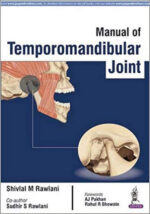 Manual of Temporomandibular Joint
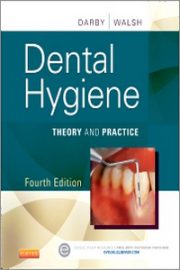 Dental Hygiene: Theory and Practice, 4th Edition
 A Clinical Guide to Applied Dental Materials
 Oral and Maxillofacial Surgery Review: A Study Guide
 Handbook of Local Anesthesia, 7th Edition (+Free MCQs)
 Dental Materials in Operative Dentistry
 The Complete Dentist: Positive Leadership and Communication Skills for Success
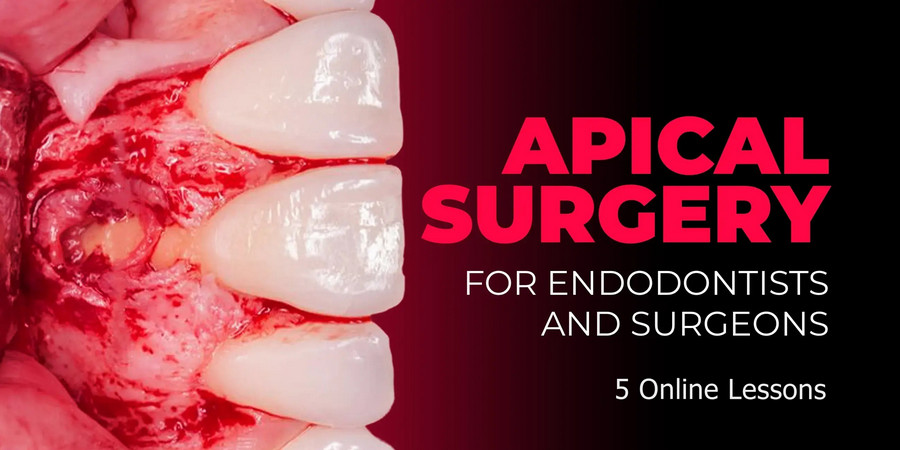 Apical Surgery for Endodontists and Surgeons
 Orofacial Pain: A Clinicians Guide
 Temporomandibular Disorders: A Translational Approach From Basic Science to Clinical Applicability
 Dislocation of the Temporomandibular Joint: A Guide to Diagnosis and Management
 Medical Emergencies in Dental Practice
 Functional Occlusion in Restorative Dentistry and Prosthodontics
 Surgical and Radiologic Anatomy for Oral Implantology
 Comprehensive Occlusal Concepts in Clinical Practice
 Oral and Maxillofacial Surgery Review (2024)
 Apical Periodontitis in Root-Filled Teeth
 TMD and Orthodontics: A Clinical Guide for the Orthodontist
 Essential Dental Therapeutics
 Endodontic Prognosis: Clinical Guide for Optimal Treatment Outcome
 The ADA Practical Guide to Patients with Medical Conditions, 2nd Edition
 Basics of Dental Technology: A Step by Step Approach, 2nd Edition
 Bell’s Oral and Facial Pain, 7th Edition
 Scully’s Medical Problems in Dentistry, 7th Edition
 MCQ in Implant Dentistry

Description
Bioactive materials, or biomaterials, have the ability to interact biologically with the tissue to which it is inserted, and to stimulate the deposition of mineralized tissue. The calcium phosphate-based ceramics were the first known materials in dentistry to have bioactivity, and currently, these materials are the most used for biomedical purposes, with different morphological characteristics. In dentistry, these materials have achieved immense importance by stimulating the deposition of osseous tissue in injured bone, and by having the ability to remineralize hard tooth tissues (enamel and dentin). Furthermore, repair materials based on aggregated trioxides mineral or on calcium hydroxide are classic biomaterials and widely used in dentistry, mainly in contact with the pulp tissue or periodontal ligament, for repair processes. However, various formulations of these materials appear all the time, in search of the ideal material. In general, bioactive materials have been shown to promote the release of calcium, sodium, silicon and phosphate ions, which are metabolized by the body, having effects such as angiogenesis and antimicrobial action, which can be improved depending on the composition of the material. Pulp tissue is a highly specialized dental tissue and is the subject of intense studies about the response to biomaterials. It is also understood that some systemic alterations in individuals have an influence on the action of bioactive materials during tissue repair processes. Thus, this book will address the use of different bioactive materials in dentistry, considering the performance of these biomaterials in the hard tissues of the tooth, and the response of the dental pulp, as well as the influence of the composition of these materials and of the individual’s systemic alterations in bioactivity and in antimicrobial activity. The several in vivo and in vitro tests to evaluate the bioactivity of a biomaterial will also be addressed.
| Author(s): |
|
English | 2019 | ISBN: 9781536153248 | 217 pages | PDF | 3 MB |