 Pediatric Dentistry: Principles and Practice, 3rd Edition
 Digital Aesthetic Functional Rehabilitation: Prosthetics, Implantation, Orthodontics
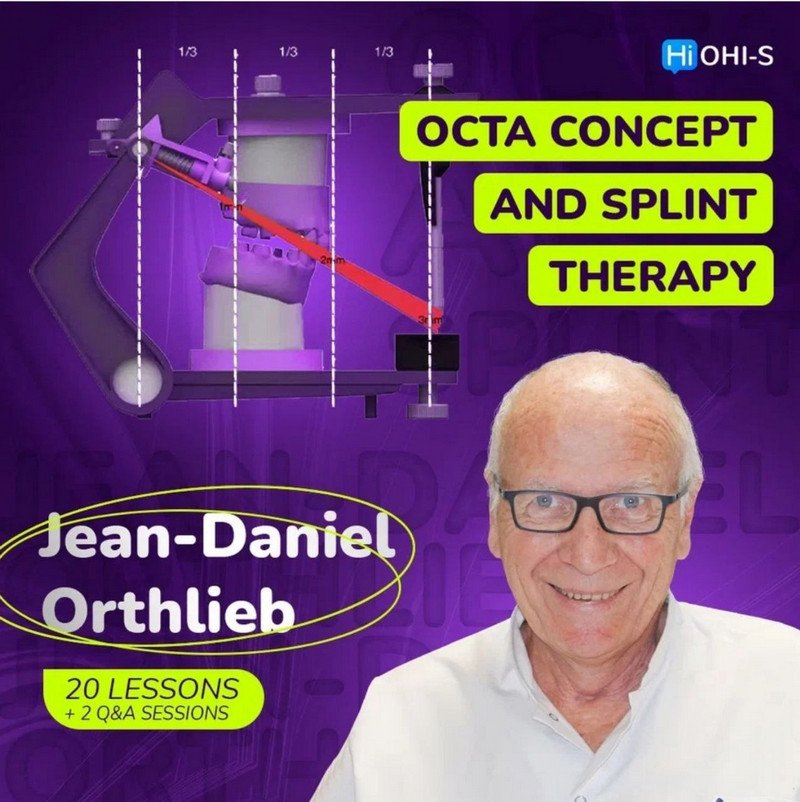 Occlusal Architecture to Secure Orthodontic or Prosthodontic Treatments (OCTA Concept and splint therapy)
 Three-Dimensional Cephalometry: A Color Atlas and Manual
 Dental Radiography: Principles and Techniques, 6th Edition
 Textbook of Oral Medicine, Oral Diagnosis and Oral Radiology, 2nd Edition
 Advanced Ceramics for Dentistry
 Biological Mechanisms of Tooth Movement, 3rd Edition
 Aligner Techniques in Orthodontics
 Handbook of Oral Biomaterials
 ITI Treatment Guide Volume 12 – Peri-Implant Soft-Tissue Integration and Management
 Dislocation of the Temporomandibular Joint: A Guide to Diagnosis and Management
 Traumatic Dental Injuries in Children
 Journal of Evidence Based Dental Practice, Full Archive (2008 – 2025)
 Aesthetic Evolution
 Full Mouth Rehabilitation - Moez Khakiani
 Non-metallic Biomaterials for Tooth Repair and Replacement
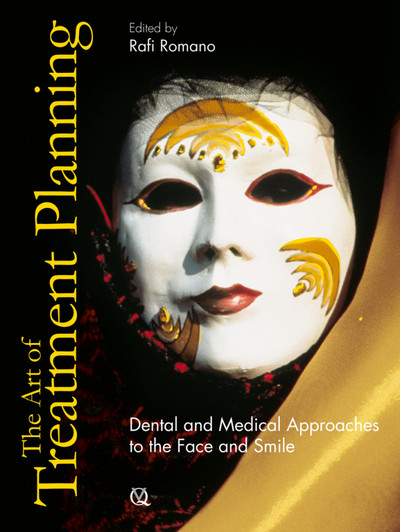 The Art of Treatment Planning (Scanned Copy)
 Periodontitis and Systemic Diseases: Clinical Evidence and Biological Plausibility
 Temporomandibular Joint Total Joint Replacement – TMJ TJR
 Adhesion in Pharmaceutical, Biomedical and Dental Fields
 Functional Occlusion: From TMJ to Smile Design
 3D Radiology in Dentistry: Diagnosis Pre-Operative Planning Follow-up
 High-Strength Ceramics: Interdisciplinary Perspectives
 Dental Emergencies, 1st Edition
 MCQs for Handbook of Local Anesthesia
 Workbook and Laboratory Manual for Dental Radiography: Principles and Techniques, 6th Edition
 Pneumopedics and Craniofacial Epigenetics
Description
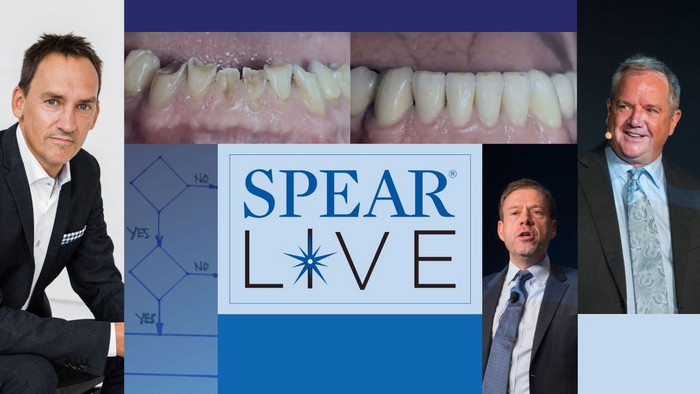
Join the experts at Spear for a two-day event (Recorded) focused on helping you learn how to better treatment plan and present the plan to your patients to increase case acceptance.
During this in-person workshop held at Spear’s beautiful Scottsdale, Arizona, campus, you will learn from Dr. Frank Spear, Dr. Gregg Kinzer, and Dr. Ricardo Mitrani how to use treatment-planning decision trees, and gain confidence and understanding in knowing which treatment options are available for common and complex dental problems.
You Will Learn:
- How to work with a decision tree: A road map that walks a clinician through all the treatment options for a specific problem and provides them with the risks and benefits of each treatment option. Also, a step-by-step process of what to evaluate clinically to determine which option may be best for your patient.
- More than 20 decision trees: Covering everything from excessive or inadequate tooth display to a single missing central incisor and what needs to be evaluated to select the best method of replacement.
- How each decision tree is designed around a key set of clinical parameters, and by learning those parameters, each time you have a case with those problems the same decision tree can help you work through the treatment-planning process.
- Which decision tree is appropriate for the case you are treatment planning, along with the parameters involved in that tree. Each decision tree includes photos of patients with the condition. By comparing photos of your patient with those in the decision tree, you can quickly identify if this is the appropriate tree to work with.
- How to show and discuss the different treatment options with your patients so they are engaged in the process, not scared away, yet understand the risks and benefits of treatment. For each technique addressed by the decision trees there are before and after example photos.
- The importance of predicting the outcome of treatment prior to commencing treatment, and what are realistic outcomes for many different treatment options we have today, specifically concerning the restoration of worn dentitions and tooth replacement in the esthetic zone.
- How new techniques and materials may change the predictability of many of our treatment options in the future.
- How to set fees for complex interdisciplinary type cases.
The Art of Treatment Planning and Case Presentation
Presented By: Dr. Frank Spear, Dr. Gregg Kinzer, Dr. Ricardo Mitrani
1 Video - Duration: 12 hours - File size: 1.9 GB


