Quality Improvement and Audit in Dentistry
 MCQs for Essentials of Oral Histology and Embryology
 Oral and Maxillofacial Surgery Review: A Study Guide
 Dental Materials in Operative Dentistry
 Triumph’s Complete Review of Dentistry (2 Volume. set)
 Orofacial Pain and Headache, 2nd Edition
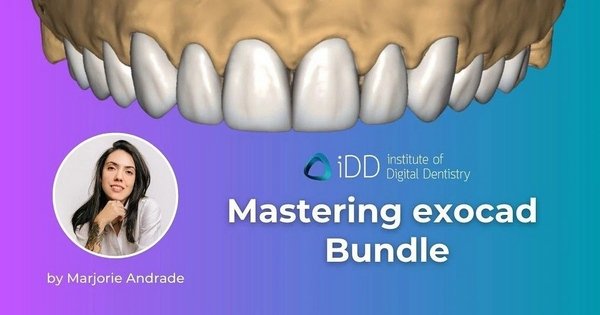 Mastering Exocad Bundle (3 Courses)
 Comprehensive Occlusal Concepts in Clinical Practice
 Essentials of Dental Caries, 4th Edition
 Successful Local Anesthesia for Restorative Dentistry and Endodontics, 2nd Edition
 Clinical Applications of Digital Dental Technology
 Atlas of Complex Orthodontics (Original PDF & Epub)
 A Guide to Good Occlusal Practice (BDJ Clinician’s Guides), 2nd Edition
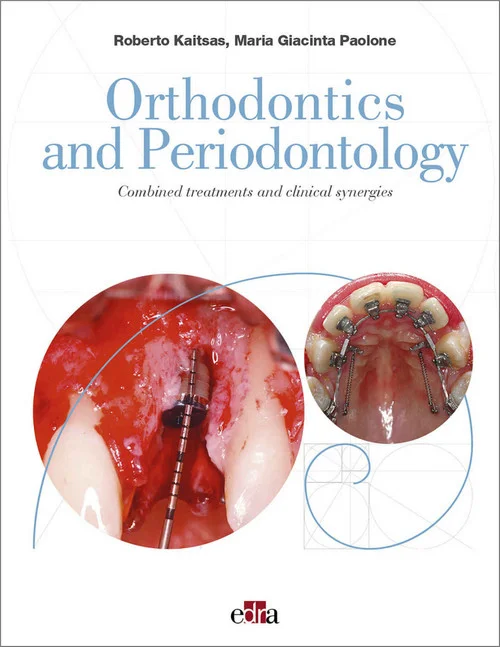 Orthodontics and Periodontology (Epub & Converted to PDF)
 Nanobiomaterials in Dentistry: Applications of Nanobiomaterials
 Plastic-Esthetic Periodontal and Implant Surgery: A Microsurgical Approach
 Dental Materials and Their Selection, 4th Edition
 Esthetic Implant Restoration in the Edentulous Maxilla: A Simplified Protocol

Description
A Guide to Design and Evidence- Based Solution
Anchorage control is one of the most challenging tasks in orthodontic treatment. Many different types of appliance are used to control anchorage, but an excellent outcome may be difficult to achieve owing to either poor mechanics or inadequate patient compliance. Recently, temporary skeletal anchorage devices (TSADs) have become popular in orthodontics. Some orthodontic movements that are now possible using TSADs were previously considered almost impossible with traditional orthodontic appliances.
Several different types of TSAD are currently available, and in choosing between them orthodontists are obliged to rely on the information provided by manufacturers, which is often not based on scientific evidence. This book therefore presents the various design characteristics of TSADs and provides up-to-date scientific evidence to assist orthodontists in selecting the best TSADs for their patients.
| Author(s): Ki Beom Kim |
|
English | 2014 | e-ISBN: 9783642550522 | 239 pages | PDF | 32 MB |