 Korean Association of Orthodontists - KAO 2022
 Treating the Dental Patient with a Developmental Disorder
 Dentist’s Guide to Medical Conditions, Medications, and Complications, 2nd edition
 MCQs for Pharmacology and Therapeutics for Dentistry
 Netter’s Head and Neck Anatomy for Dentistry, 3rd Edition (+Free MCQs)
 Dislocation of the Temporomandibular Joint: A Guide to Diagnosis and Management
 Review Questions for Dentistry
 Clinical Cases in Orofacial Pain
 Churchill’s Pocketbooks Clinical Dentistry, 4th Edition
 Dermal Fillers for Facial Harmony (PDF & Videos)
 Comprehensive Pediatric Dentistry: Complex Procedures
 Head, Neck, and Neuroanatomy (THIEME Atlas of Anatomy) 3rd Edition
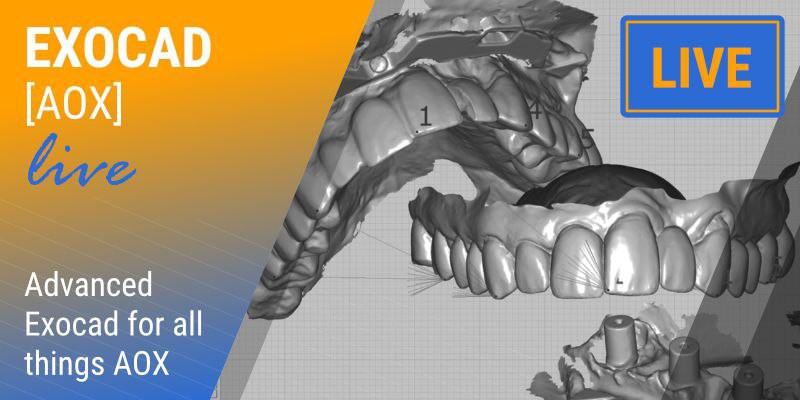 Advanced EXOCAD for all things AOX (EXOCAD AOX)
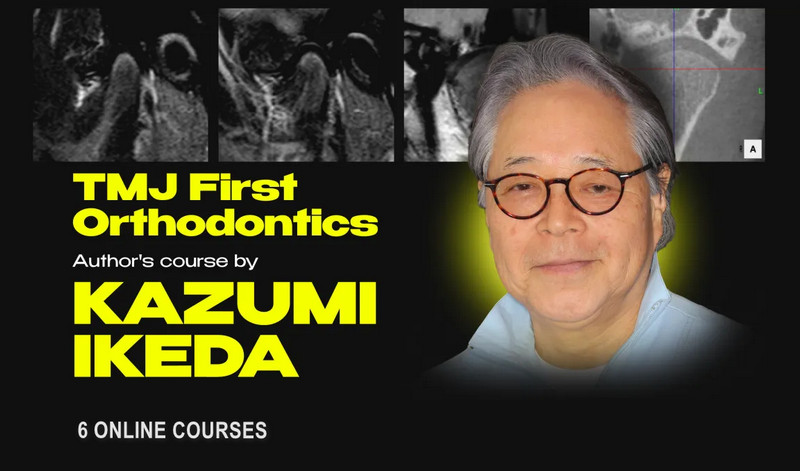 TMJ First Orthodontics
 Tobacco and Your Oral Health
 Mineral Trioxide Aggregate: Properties and Clinical Applications
 Complications in Periodontology and Peri-implant Surgery Prevention, Diagnosis, and Management – All in One Place
 Reference Position: Centric Relation (CR), Centric Occlusion (CO), Neuro-Muscular RP

Description
illustrated Questions in Orthodontics takes a problem-based approach to orthodontics, offering a unique resource for undergraduate dentists.
This book contains a comprehensive set of questions mapped to undergraduate orthodontics curricula, including chapters on examination and diagnosis, treatment planning, pathology, appliances, and anchorage. Each chapter is packed with high-quality clinical photographs and x-rays to help readers to
test their skills in identifying and describing various orthodontic problems and presentations. Furthermore, every question is answered with extensive feedback, setting each topic in a clinical context in order to teach as well as test.
The ideal revision resource for undergraduate dentists looking to test and consolidate their knowledge ahead of placements and exams, Illustrated Questions in Orthodontics will also form a useful tool for postgraduate dentists and orthodontic therapists.
| Author(s): Claire Nightingale ; Jonathan Sandy |
|
English | 2015 | ISBN: 9780198714828 | 177 pages | PDF | 67 MB |


