Noncarious Cervical Lesions and Cervical Dentin Hypersensitivity
 Ergonomics in the Dental Office
 Evidence-Based Periodontal and Peri-Implant Plastic Surgery
 Atlas of Cone Beam Computed Tomography
 Dentistry and the Pregnant Patient
 Soft Tissue Management: The Restorative Perspective, Putting Concepts into Practice
 Oral and Maxillofacial Surgery Review: A Study Guide
 Questions and Answers in Oral Health Education
 Dental Materials and Their Selection, 4th Edition
 Dislocation of the Temporomandibular Joint: A Guide to Diagnosis and Management
 Restorative Dentistry: Treatment Procedures and Future Prospects
 Newman and Carranza’s Essentials of Clinical Periodontology: An Integrated Study Companion
 Journal of the World Federation of Orthodontists: Full Archive (2012 – 2025)
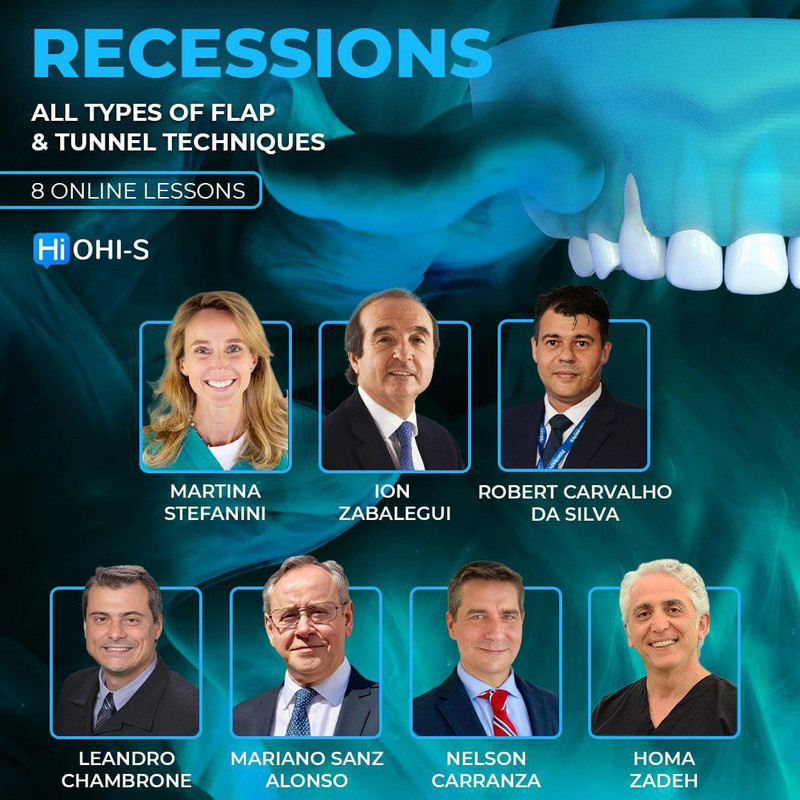 Recessions. All Types of Flap & Tunnel Techniques
 Adhesion in Pharmaceutical, Biomedical and Dental Fields
 Dental Materials in Operative Dentistry
 Mineral Trioxide Aggregate: Properties and Clinical Applications
 Successful Local Anesthesia for Restorative Dentistry and Endodontics, 2nd Edition
 Pharmacology and Therapeutics for Dentistry, 7th Edition (+ Free MCQs)
 Pit and Fissure Sealants
 Non-Invasive and Additive Prosthodontics Restorations
 Tooth Preparations: Science & Art
 MCQs in Pediatric Dentistry with Explanatory Answers
 TMDs: An Evidence-Based Approach to Diagnosis and Treatment
 EMQs for Dentistry, 3rd Edition
 Questions and Answers for Dental Nurses, 3rd Edition
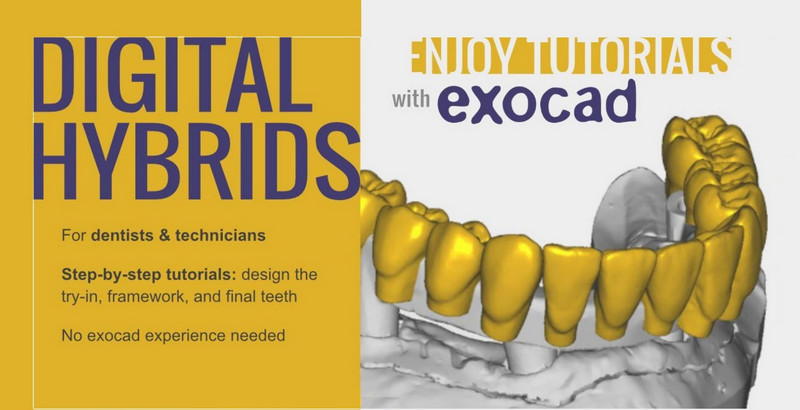 Digital Hybrids for Dentists & Technicians
 Precision in Dental Esthetics: Clinical and Laboratory Procedures
 MCQs for Pharmacology and Therapeutics for Dentistry
 Partial Extraction Therapy Course
 Textbook of Preclinical Conservative Dentistry, 2nd Edition
 Dentist’s Guide to Medical Conditions, Medications, and Complications, 2nd edition
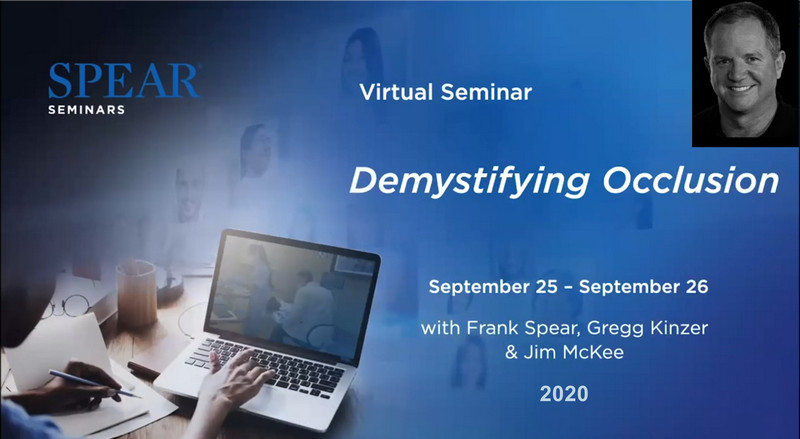
Description
Gain confidence and remove the confusion and fear surrounding occlusion in your practice, allowing you to treat patients more predictably and with less anxiety from a single second molar crown, to full arch restorations, or even patients with symptoms of facial pain.
What you will learn at this seminar:
- Why occlusion can seem so complicated, but how predictable it is in most patients, and how to recognize the high-risk patient in advance.
- To gain confidence in understanding the TMJ, and how easy it is to evaluate them as a potential problem for your patients, including possible solutions if they are a problem, and how to have a conversation with your patients about the TMJ.
- To efficiently evaluate your patients' muscles, and predict whether any therapy is necessary, which treatment, and how to discuss it with your patient.
- What a complete joint and muscle exam looks like, and how efficiently it can be done in any practice (with multiple examples shown on video).
- How to become confident in choosing among all the different occlusal appliances available, including a specific flow chart of the appliance choices based upon your patients' symptoms and history, with an emphasis on how to discuss appliance therapy and fees with your patients.
- How and when to utilize mounted models in your occlusal treatment-planning process, including what facebows do, how to use them, why you would use one, and three different methods of predictably making the bite records used to mount the models.
- To determine if occlusal equilibration is necessary, and how to perform one predictably and efficiently, including how to discuss it with your patients.
- What to do with the occlusion of patients with excess overjet, anterior open bites, deep overbites, or Class III relationships who won't do orthodontics.
- How to perform bite records in restorative patients for simple posterior restorations to full arches, to full mouths, simply and predictably.
Date: 2020
Presented By: Frank Spear, Gregg Kinzer, Jim McKee
1 Video - Duration: 12 hours - Files size: 2.33 GB